
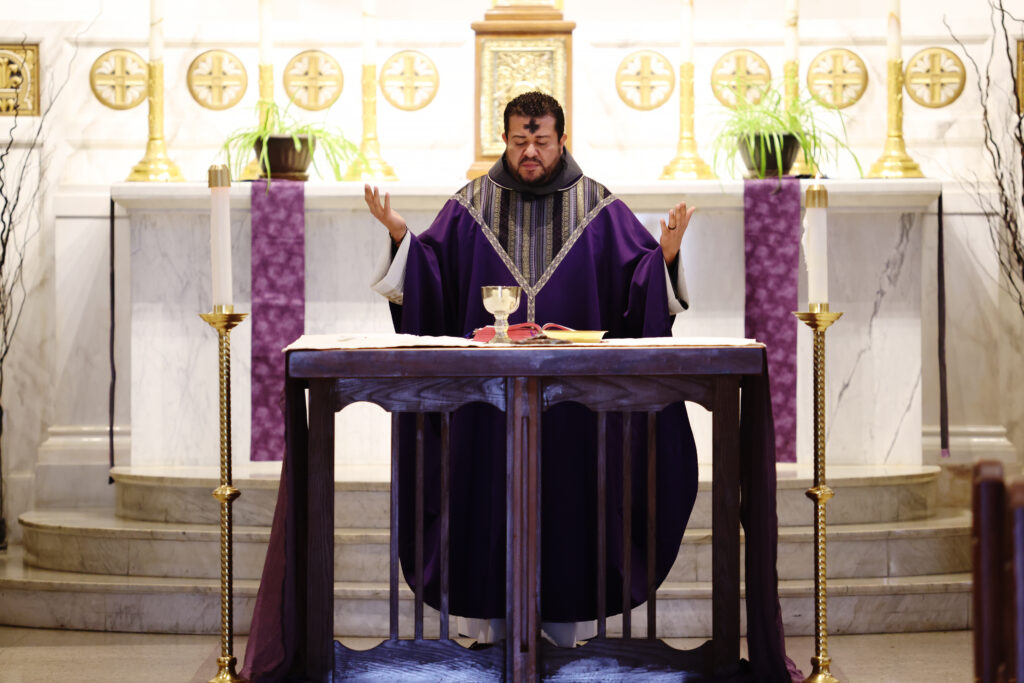
Miércoles de Ceniza de 2026: El Jubileo de San Francisco
Homilía del fraile Mario Serrano, OFM Conv.
Si aún te preguntas qué prácticas penitenciales emprender durante la Cuaresma, el Papa León nos ha pedido que consideremos la escucha y el ayuno. Es decir, hacer espacio para la Palabra y escuchar el clamor de los pobres, que “a lo largo de la historia de la humanidad, desafía constantemente nuestras vidas, sociedades, sistemas políticos y económicos y, sobre todo, a la Iglesia”. Y ayunar “absteniéndose de palabras que ofendan y hieran a nuestro prójimo. Empecemos por desarmar nuestro lenguaje, evitando las palabras duras y los juicios precipitados, absteniéndonos de la calumnia y de hablar mal de quienes no están presentes y no pueden defenderse… De este modo, las palabras de odio darán paso a palabras de esperanza y paz”.Mensaje del Santo Padre León XIV para la Cuaresma de 2026)
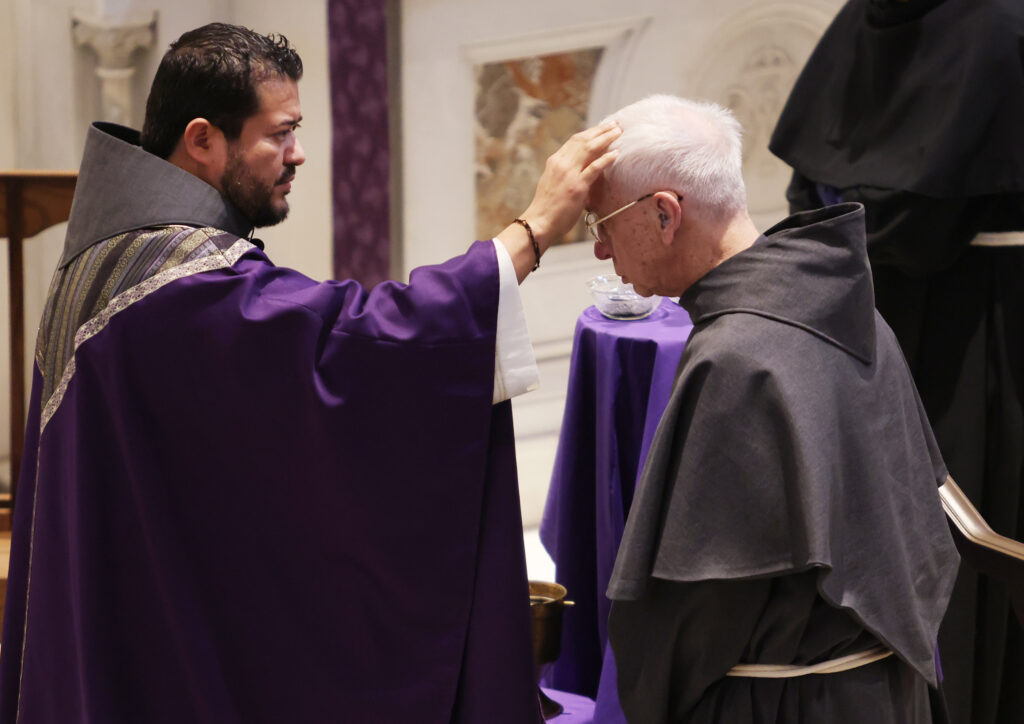
Este año, los franciscanos celebramos el Jubileo de San Francisco (del 10 de enero de 2026 al 10 de enero de 2027). Es un año santo especial proclamado por el Papa León XIV para conmemorar el 800 aniversario del abrazo de San Francisco de Asís a la Hermana Muerte. Francisco buscó vivir y practicar lo que escucharemos cuando se nos impongan cenizas en la frente: “Arrepiéntanse y crean en el Evangelio.”
Hoy, al comenzar de nuevo, el Miércoles de Ceniza no es un día de condenación, sino de claridad. Las cenizas que se trazan en nuestras frentes revelan una verdad serena: somos polvo, pero polvo amado. Mortales, frágiles, efímeros, sí, pero aún acogidos por el amor y la misericordia de Dios. La Iglesia no nos impone cenizas para avergonzarnos, sino para despertar en nosotros la esperanza.
“Arrepiéntanse y crean en el Evangelio.” El arrepentimiento suele malinterpretarse. No es mero pesar, ni autocrítica espiritual, ni una sombría obsesión con el fracaso. En el Evangelio, el arrepentimiento significa volver, es decir, dirigir nuestras mentes, nuestros corazones, toda nuestra vida de nuevo hacia Dios. Es el valor de decir: Señor, quiero volver a caminar hacia Ti. Y este año, al vivir la gracia del Jubileo vinculado a San Francisco de Asís, que nos llama a adoptar un tono particularmente franciscano en nuestro camino cuaresmal.
Francisco, el pobre de Asís, escuchó esta misma invitación en su propia vida. Su conversión no se produjo de repente, en un momento dramático, sino a través de muchas pequeñas entregas y encuentros. El crucifijo de San Damián habla en una capilla en ruinas. Francisco abre espacio a la Palabra y escucha. Su conversión se profundiza al abrazar a un leproso con amor tembloroso, haciendo caso omiso del ruido y desarmando las duras palabras que la sociedad y los demás usaban para referirse a "este otro". Francisco nos enseña que el arrepentimiento no se trata principalmente de lo que dejamos atrás, sino de a Quién regresamos.
Sí, ayunamos, pero este ayuno no se trata de una dieta para alcanzar la santidad. Sí, oramos, pero nuestra oración no es una exhibición. Damos limosna, por supuesto, pero no como un sacrificio; la damos por compasión y generosidad, no para aparentar. Estas no son prácticas cuaresmales que emprendemos para impresionar a Dios. Son caminos para profundizar nuestro amor por Dios y por nuestro prójimo.
El pecado es no molestarse en amar; no se trata simplemente de quebrantar las reglas, sino también de herir las relaciones. Y el arrepentimiento nos impulsa hacia el amor sanador, el amor divino.
“Arrepiéntanse y crean en el Evangelio.”
Fíjense en el orden. Primero arrepiéntanse. Luego crean. Porque es difícil creer en el Evangelio, creer verdaderamente en la Palabra mientras se aferran a ilusiones:
La ilusión de que somos autosuficientes.
La ilusión de que la riqueza o el estatus nos salvarán.
La ilusión de que el resentimiento nos protege.
La ilusión de que tenemos mucho tiempo.
Las cenizas barren las ilusiones. Cuando Francisco se presentó desnudo en la plaza pública, no fue para dramatizar la pobreza, sino para proclamar una verdad: Solo Dios es suficiente.
La Cuaresma nos plantea la misma pregunta: ¿A qué me aferro que me impide confiar plenamente en Dios?
Quizás no sea la riqueza material sino el control; no la comodidad sino la distracción causada por todo el ruido que llamamos política y noticias. Tal vez no sea el placer sino el miedo. Un miedo aprendido de la calumnia y de las reflexiones sobre narrativas falsas acerca de aquellos que están ausentes y no pueden defenderse.
El arrepentimiento significa volverse hacia Dios y caminar con su pueblo, permitiendo que Dios nos ayude a soltar suavemente el control sobre todas las cosas y pensamientos que creemos necesitar para "triunfar" y obtener parte de esa salvación para nosotros mismos.
Y luego viene la segunda parte del comando: “Cree en el Evangelio.”
Cree que la misericordia es más fuerte que el pecado.
Cree que la gracia puede transformar los hábitos.
Cree que el perdón es sanador.
Cree que la santidad, vivir de una manera diferente, no está reservada solo para unos pocos.
Creemos que la esperanza no es una mera ilusión, sino una confianza arraigada en las promesas divinas, una firme convicción en la fidelidad y el amor de Dios. Un amor más fuerte que el odio y la muerte. La esperanza es el ancla del alma.
San Francisco no lo veía solo como una idea, sino como una forma de vida. Creía en el Evangelio y aspiraba a vivirlo con tanta plenitud y alegría que su vida se convirtiera en un recordatorio visible de Cristo. Ese es el objetivo de la Cuaresma. No el perfeccionamiento personal. No la búsqueda de la excelencia espiritual. Sino la transformación hacia el amor a Dios y al prójimo, al pueblo de Dios.
Que esta Cuaresma, inspirada por San Francisco, no sea para nosotros un tiempo de tristeza, sino un tiempo para profundizar en el amor de Dios y compartirlo con los demás. Volvamos a confiar. Confiemos de nuevo. Creamos en el Evangelio. Porque Dios no se ha cansado de nosotros.
Nuestro Dios de la Esperanza espera, como siempre, con misericordia. Para oírnos decir, como San Francisco: “Esto es lo que quiero. Esto es lo que busco, esto es lo que deseo con todo mi corazón”.”