
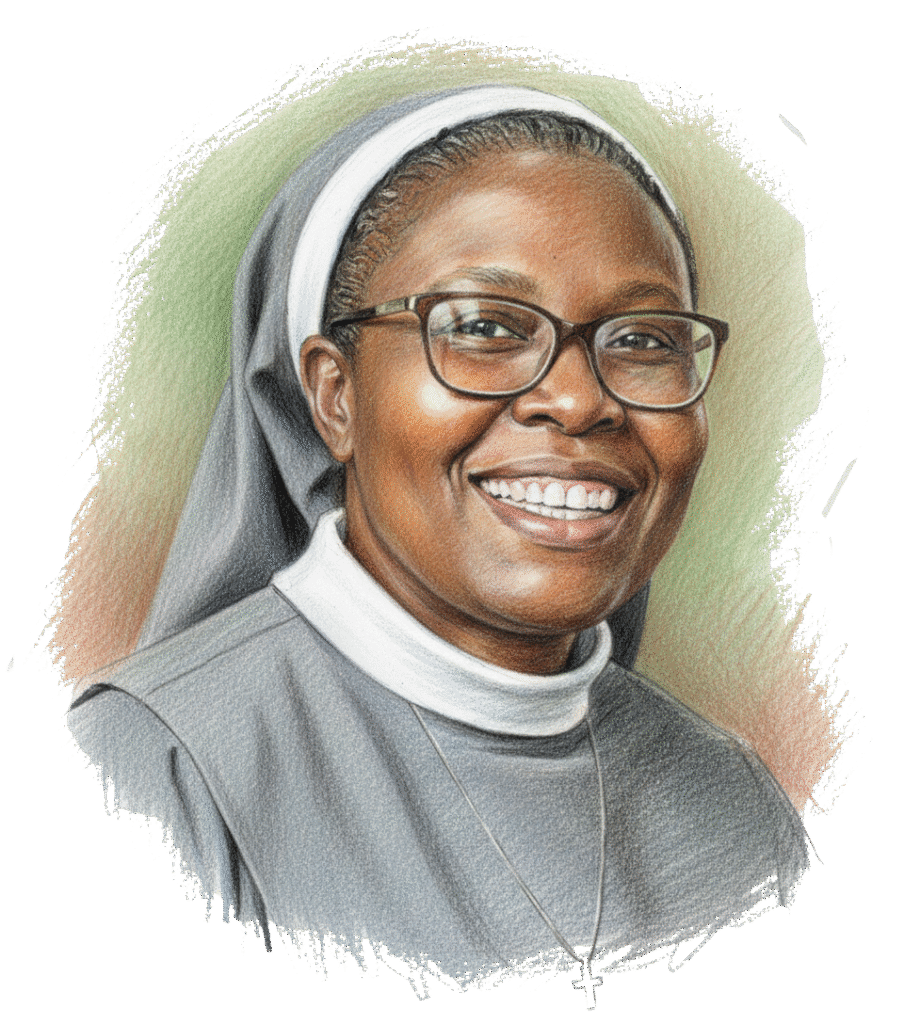
Preguntas y respuestas con la hermana Charity Nkandu
La hermana Charity Lydia Katongo Nkandu, SFMA, es una destacada defensora de los derechos humanos y el bienestar infantil, y se desempeña como representante de Franciscanos Internacional ante las Naciones Unidas. Originaria de la Arquidiócesis de Ndola en Zambia, celebró 38 años de vida religiosa en enero de 2026.
1. ¿Por qué es significativo que exista un llamamiento unificado procedente del Sur Global?
Es profundamente significativo que este llamado se eleve con una sola voz desde el Sur Global, porque la unidad da alma a nuestra lucha y testimonio de nuestra esperanza. Durante demasiado tiempo, nuestras tierras han sido saqueadas, nuestro aire y agua envenenados, y nuestra gente ha sufrido por una crisis que no provocamos. Hemos contribuido mínimamente al cambio climático, pero somos quienes más lo padecemos.
Cuando alzamos la voz, no solo hablamos como naciones, sino como guardianes de la creación y protectores de los pobres. Nuestra unidad es más que una declaración política; es un acto espiritual de sanación. Proclama que el mismo Dios que nos confió la creación nos llama a protegerla con valentía y amor. Esta voz compartida del Sur Global es a la vez un clamor y un himno: un clamor por justicia y arrepentimiento, y un himno de esperanza de que aún es posible una nueva relación con la tierra y entre nosotros, una relación arraigada en el respeto, la equidad y el cuidado de nuestra casa común.
El Sur Global se alza para decir: No somos víctimas de la historia; somos guardianes de la creación. Nuestra voz unificada proclama que las soluciones a la crisis climática no vendrán de quienes la causaron, sino de quienes han vivido en estrecho contacto con la tierra, quienes conocen sus ritmos, su dolor y su carácter sagrado. Esta unidad es un signo de esperanza. Le dice al mundo que el tiempo de la lástima ha terminado y que ha llegado el tiempo de la colaboración, la justicia y la responsabilidad compartida. Cuando el Sur Global habla unido, no solo habla por sí mismo, sino por la sanación de nuestra casa común.
2. ¿Qué injusticias históricas y estructurales subyacen a este llamamiento?
Existen diversas injusticias que han configurado la situación actual. En primer lugar, durante siglos hemos sufrido la explotación colonial de nuestros recursos, y nuestra gente rara vez se ha beneficiado. En segundo lugar, el dominio de los inversionistas extranjeros se presenta en nombre del desarrollo, pero destruye la tierra y el agua, dejando a las comunidades más pobres que antes. En tercer lugar, la desigualdad laboral: nuestros jóvenes realizan los trabajos más duros por los salarios más bajos, mientras que las ganancias se van a otros lugares. En cuarto lugar, la degradación ambiental: las industrias extractivas causan erosión del suelo, deforestación y contaminación, sin que existan esfuerzos serios para restaurar la Madre Tierra. Finalmente, la contaminación industrial: los pobres son quienes más sufren cuando el agua está contaminada o el aire está sucio, porque carecen de medios para remediar el daño. Todas estas son expresiones de injusticia financiera y ecológica que continúan ampliando la brecha entre el Norte Global y el Sur Global.
3. ¿Cómo se relaciona esto con la justicia climática en la actualidad?
La justicia climática no se trata solo de reducir las emisiones, sino también de reparar las injusticias históricas. Quienes han provocado la crisis deben asumir una mayor responsabilidad. El Norte Global debe apoyar al Sur Global en la construcción de resiliencia y medios de vida sostenibles.
El desequilibrio entre nosotros es tanto moral como económico. El Norte Global debe escuchar nuestro clamor, no como una súplica de caridad, sino como un llamado a la justicia y la solidaridad. Todos vivimos en el mismo planeta, y cuando una parte sufre, todo el cuerpo sufre.
Como religiosa franciscana, creo que el clamor de la tierra y el clamor de los pobres son uno solo. San Francisco de Asís nos enseñó que la creación es nuestra hermana y hermano: el Sol, el Agua, la Madre Tierra. Cuando la tierra sufre, nosotros también sufrimos.
En Zambia y en todo el Sur Global, vemos cómo el cambio climático afecta primero a los más pobres: el pequeño agricultor, la madre que camina largas distancias para conseguir agua, el niño que no puede ir a la escuela por la sequía o las inundaciones. Por eso creo firmemente que nuestras voces deben ser escuchadas.
Nuestro llamado no va en contra de nadie; es para todos. Es un llamado a la conversión del corazón, a la responsabilidad compartida y al amor que restaura la creación. Para mí, así es como se ve la verdadera justicia climática.